
What 2025 Taught Us, and What 2026 Could Bring for Canadian Real Estate
As 2025 winds down, it’s a good time to take stock. The last twelve months brought major shifts in Canada’s housing and rental markets, and these changes will influence what buyers, sellers, and homeowners can do in 2026. If real estate is on your mind for the new year, this is the moment to get strategic.

Federal Budget Updates and Housing Supply
The newly approved 2025 federal budget (often referred to as Budget 2025) put major focus on building more housing supply, especially rentals and multi-unit homes.
The government increased the limit on Canada Mortgage Bonds from 60 billion dollars to 80 billion dollars in 2026. This gives lenders more flexibility to finance large housing developments (Source).
Budget 2025 also strengthens the Build Canada Homes program, which is aimed at delivering more purpose-built rentals across the country (Source).
Although there is funding for supply, many industry groups note that the budget falls short for current buyers and owners. Incentives for “missing middle” homes are still limited (Source).
What this means for 2026 planning: If you are thinking about buying or selling, expect more rental and multi-unit inventory to come online. That could create more choice and may help moderate prices. This could be a strategic year to make a move.
Mortgage Renewals and Household Pressure
Many Canadian homeowners are renewing mortgages at significantly higher rates.
Bank of Canada analysis shows that many fixed-rate borrowers will face monthly payment increases of about ten percent, and some households will see increases closer to fifteen to twenty percent (Source).
As renewal impacts hit, more owners are choosing to sell instead of carrying higher payments (Source).
Mortgage delinquency rates have also risen compared to pre-pandemic conditions, which signals financial pressure across some segments of the market (Source).
What this means for 2026 planning: If your mortgage renewal is coming up, this is not the year to take a wait-and-see approach. Exploring refinancing, selling, downsizing, or restructuring may provide more stability and clarity.
Boomers and Housing Transitions
Another important trend is the continued movement of baby boomers and older households. Many are selling long-held homes and transitioning into smaller, more manageable living arrangements, moving closer to family, or entering assisted living.
While this trend is less formally measured, it is widely recognized in real estate circles and is expected to increase available inventory, particularly single-family homes.
What this means for 2026 planning: If you are looking for a family home, additional supply from downsizing sellers may create more options. If you plan to sell, serious buyers will still be searching for well-kept homes in established neighbourhoods.
Rental Market Shifts and Rising Vacancy
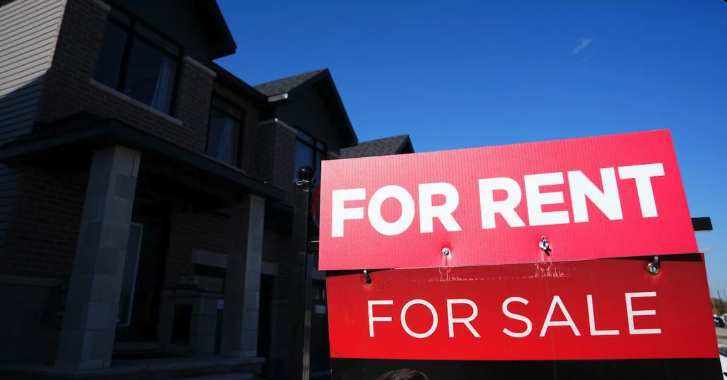
Canada’s rental market is beginning to show signs of easing.
CMHC projects that vacancy rates will increase between 2025 and 2027, which can help moderate rent growth (Source).
Budget 2025’s support for purpose-built rentals is also expected to contribute to this easing in high-demand regions, including the Greater Toronto Area (Source).
What this means for 2026 planning: If you are a renter, you may see more choice and more stable pricing. If you are an investor or considering purchasing a rental property, this shift means you should run conservative rent projections and plan for slightly higher vacancy risk.
Setting Your 2026 Goals With Confidence
A changing market always creates opportunity for well-informed homeowners. Here are a few ways to approach your planning for the year ahead.
If you are renewing a mortgage: Review affordability, consider a shorter term, and compare all available options.
If you are thinking of selling: Increased supply may start to create more balanced conditions, and early 2026 could be a strong window to list.
If you want to buy: New supply and a cooler market may give you more flexibility and leverage.
If you are considering an investment property: Take time to run numbers carefully and factor in the changing rental landscape.
If stability is the priority: Map out a plan now so you are not caught off-guard by rate changes or rising inventory.
Let’s Build Your Plan for 2026
If you want a clear picture of what your options look like in the new year, I’m here to help. Let’s talk through your goals, explore what the current market means for you, and outline confident next steps.
